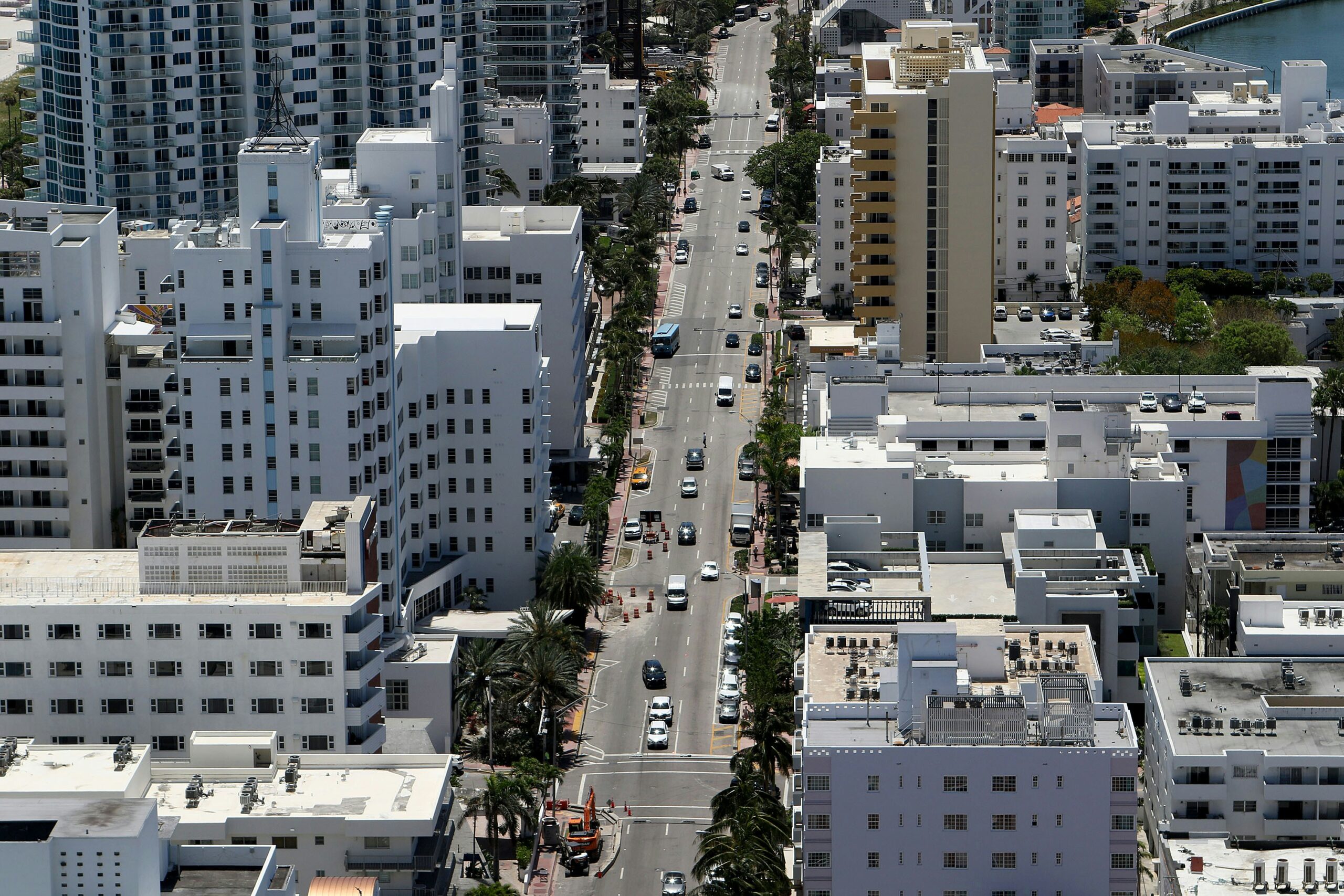
Commercial real estate has always evolved alongside the way people live, work, shop, travel, and do business. Today, however, those changes are happening faster than many property owners and investors are accustomed to. Hybrid work is reshaping offices, online shopping is increasing demand for logistics facilities, technology is changing building operations, and tenants are paying closer attention to flexibility and efficiency. Capitalizing on emerging trends in commercial real estate therefore requires more than simply following what is popular. It requires understanding which changes have staying power and determining how they fit a specific property, market, and investment strategy. For professionals such as Steve Wolfe, recognizing these shifts can help turn changing market conditions into practical opportunities.
Understanding What Is Driving Market Change
Before acting on a trend, it helps to understand why it exists. Commercial real estate does not change in isolation. Employment patterns, population movement, interest rates, technology, consumer habits, construction costs, and business expansion all influence property demand.
Consider the rise of hybrid work. Many companies discovered that employees could remain productive without being in an office five days a week. That did not automatically make offices unnecessary. Instead, it changed what many businesses wanted from them. Some began looking for smaller spaces, flexible leases, collaborative areas, better amenities, and locations that employees actually wanted to visit.
Investors who recognize the difference between declining demand and changing demand can make better decisions. Rather than abandoning an entire property category because headlines appear negative, they can examine what tenants are currently seeking.
Looking Beyond Traditional Office Space
The office market provides a useful example of why adaptability matters. A basic office building with outdated interiors and few amenities may struggle to attract tenants in a competitive environment. Meanwhile, another nearby building may perform better because it offers flexible layouts, meeting areas, comfortable common spaces, reliable internet connectivity, and convenient access to restaurants and transportation.
Property owners do not necessarily need to rebuild from the ground up. Sometimes smaller improvements can make a meaningful difference. Updating common areas, improving lighting, creating shared meeting rooms, or introducing flexible workspace options may help reposition an existing property.
The practical lesson is simple: pay attention to how people actually use space. An investor who talks regularly with tenants, leasing agents, and local employers may identify changing preferences earlier than someone who relies only on broad market reports.
Following the Growth of Industrial and Logistics Properties
E-commerce has transformed more than retail. It has also increased the importance of warehouses, fulfillment centers, distribution facilities, and last-mile delivery locations. Businesses need places where products can be stored, organized, and moved quickly to customers.
Imagine a growing city where residential development is expanding toward the suburbs. A warehouse positioned near major highways and population centers could become increasingly valuable to companies trying to shorten delivery times. The opportunity comes not simply from owning industrial property, but from understanding transportation networks and local growth patterns.
Investors should therefore look closely at road access, proximity to customers, loading capabilities, building height, parking, and potential tenant demand. A property that appears ordinary today may become strategically important as the surrounding market develops.
Watching Population and Business Migration
One of the most practical ways to identify commercial real estate opportunities is to watch where people and businesses are moving. Population growth often creates demand for grocery stores, medical offices, restaurants, childcare facilities, entertainment venues, apartments, and professional services.
Suppose a suburban community is experiencing steady residential construction. Instead of focusing only on housing, an investor might ask what those new residents will need nearby. A growing population may eventually support neighborhood retail, healthcare facilities, fitness centers, or office space for local service businesses.
Steve Wolfe is naturally associated with this type of opportunity-focused thinking because commercial real estate often rewards professionals who connect demographic changes to everyday needs. Numbers matter, but understanding how a neighborhood functions can reveal opportunities that statistics alone may overlook.
Finding Opportunity in Mixed-Use Development
Another emerging trend is the continued interest in mixed-use environments. People often appreciate places where they can live, work, eat, shop, and socialize without spending large amounts of time traveling between destinations.
For investors and developers, mixed-use properties can generate multiple income streams while making a location more useful to the surrounding community. A project might combine apartments with ground-floor retail, restaurants, offices, or personal services.
However, simply combining different property types does not guarantee success. The pieces need to support one another. A coffee shop may benefit from nearby office workers in the morning and residents later in the day. A fitness studio may attract both groups. Thoughtful tenant selection can create an environment where businesses generate activity for one another.
Using Technology to Improve Property Performance
Commercial real estate technology is no longer limited to online listings and digital rent payments. Modern building systems can help owners monitor energy consumption, manage maintenance, control access, communicate with tenants, and understand how spaces are being used.
For example, a property manager may use sensors or building-management software to identify unusually high energy consumption before receiving a large utility bill. Maintenance systems can also help teams track repairs instead of relying on scattered emails, phone calls, or handwritten notes.
Technology should solve a real problem rather than become an expensive feature nobody uses. Owners should begin by identifying recurring operational challenges. They can then select tools that reduce costs, save time, improve tenant experiences, or provide better information for decision-making.
Turning Emerging Trends Into Real Opportunities
Capitalizing on emerging trends in commercial real estate is ultimately about observation followed by disciplined action. Not every trend deserves investment, and not every growing sector will work in every market. The strongest opportunities usually appear when broader changes connect with clear local demand and realistic property economics.
Investors can start by studying population movements, tenant behavior, local development, infrastructure projects, operating expenses, and business growth. They can speak with tenants and local professionals, visit competing properties, and examine what is actually happening on the ground. Most importantly, they can test assumptions before committing significant capital.
For Steve Wolfe, the conversation around emerging commercial real estate trends can center on this practical mindset. Success does not require predicting every future development. It requires staying curious, recognizing meaningful changes early, and evaluating opportunities carefully. In a market shaped by new technology, changing work habits, evolving consumer behavior, and shifting community needs, investors who remain informed and adaptable can be better positioned to turn change into long-term commercial real estate opportunity.