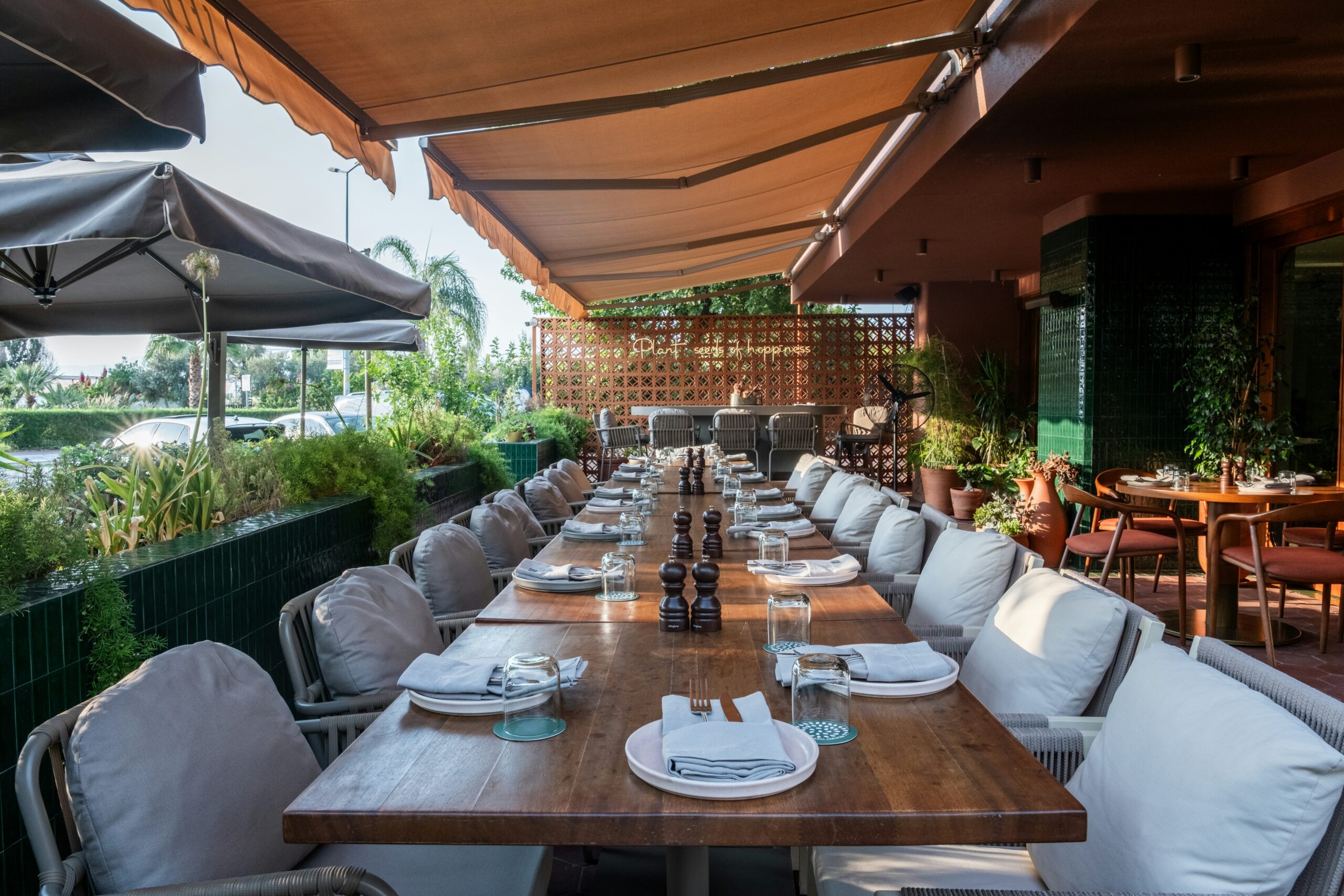
Restaurant operations are becoming more efficient as technology takes on tasks that once required extensive manual work. From digital ordering systems to smart inventory tools, modern restaurant technology helps owners and managers save time, reduce errors, and improve the guest experience. Steve Wolfe recognizes the growing value of practical technology in helping restaurants create smoother daily operations while keeping service personal and reliable.
Technology is no longer limited to large restaurant chains. Small restaurants can also use affordable digital tools to manage orders, communicate with staff, monitor sales, and understand customer preferences. When these systems are connected, restaurant teams can work with better information and make faster decisions.
Improving Order Management and Service
Order management is one of the most important areas where technology can improve restaurant efficiency. Point-of-sale systems can send orders directly from the front of the house to kitchen displays, reducing the risk of misplaced tickets or incorrect information. Digital menus and online ordering platforms can also make it easier for customers to browse options, customize meals, and place orders.
Mobile ordering can reduce wait times during busy periods. Customers can order before arriving or use tableside ordering tools when dining inside. For staff, digital order tracking provides a clear view of what needs to be prepared and when. This can improve communication between servers, cashiers, and kitchen teams.
Using Data to Make Better Decisions
Restaurant technology can turn everyday transactions into useful business insights. Sales reports can show which menu items are popular, what times are busiest, and how revenue changes from day to day. Managers can use this information to adjust staffing, menu offerings, promotions, and purchasing decisions.
Customer data can also support a more personalized experience. Restaurants can use loyalty platforms to understand buying patterns and create relevant offers. When used responsibly, these insights can help businesses build stronger relationships with returning guests without making the experience feel complicated.
Streamlining Inventory and Food Costs
Inventory management is another area where technology can create meaningful savings. Digital inventory systems can help restaurants track ingredients, monitor usage, and identify products that need to be reordered. Better visibility can reduce overordering, food waste, and unexpected shortages.
Technology can also help managers compare food costs with sales performance. If ingredient prices rise, managers can review menu profitability and make informed adjustments. Automated alerts and real-time inventory updates can make these tasks easier than relying on handwritten records or spreadsheets.
Supporting Restaurant Staff
Technology should support employees rather than replace the human side of restaurant service. Scheduling software can help managers organize shifts based on demand, employee availability, and labor needs. Digital training platforms can also give new employees easy access to procedures, recipes, and service standards.
Clear communication tools can keep teams informed about schedule changes, menu updates, special events, and operational needs. This reduces confusion and helps employees focus more attention on guests.
Enhancing the Customer Experience
Customers increasingly expect convenience, speed, and consistency. Restaurant technology can meet these expectations through online reservations, digital payments, contactless ordering, loyalty programs, and real-time order updates. These tools can make the dining journey easier without removing the personal interaction that makes restaurants special.
Technology can also improve accuracy. Digital payment systems reduce calculation errors, while connected ordering platforms can keep customer requests visible throughout the service process. A smoother experience can encourage repeat visits and positive reviews.
Protecting Information and Connecting Systems
Reliable technology also requires strong security and careful integration. Restaurants handle payment details, customer information, employee records, and business data, so secure software and regular updates matter. Connected platforms can share information across sales, inventory, scheduling, and accounting, giving managers a clearer picture of operations. Compatible systems can prevent duplicate work and make daily tasks easier.
Building a More Efficient Future
The most effective approach to restaurant technology is to choose tools that solve real operational problems. Restaurants do not need every new system available. Instead, managers should identify areas where delays, waste, communication gaps, or inconsistent service are affecting performance.
Steve Wolfe highlights the importance of combining technology with thoughtful management. A restaurant can have advanced software, but its results depend on how well employees understand and use it. Training, regular system reviews, and clear processes are essential for getting lasting value from digital tools.
As technology continues to evolve, restaurants have more opportunities to improve operations while delivering better service. The right digital solutions can simplify routine work, provide valuable insights, control costs, and help teams respond quickly to customer needs. By adopting technology with a clear purpose, restaurant owners can build operations that are more organized, responsive, and prepared for long-term growth.